


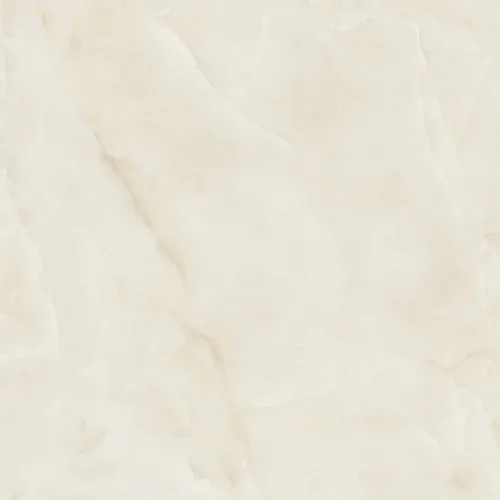
Atlas Plan Onyx White is a bright, subtly veined ceramic worktop that brings a clean, luxurious look to both contemporary and classic kitchens.
Catalogue · Ceramic stone
Ceramic stone is made in a kiln: a slab pressed from mineral raw materials is fired until it is so dense that water, grease and wine stay on the surface, while a hot pan and sunshine leave no trace. Our catalogue has 156 ceramic stones, mainly from the Italian brands Laminam, Marazzi, Nuovo Corso and Atlas Plan, priced from 224 €/m². The same stone can become a kitchen worktop, a splashback, a bathroom vanity top and a windowsill.
4.8 Google rating (31 reviews)Final price clear before cuttingQuote within 24 hours on working days10-year warranty with our installation
-
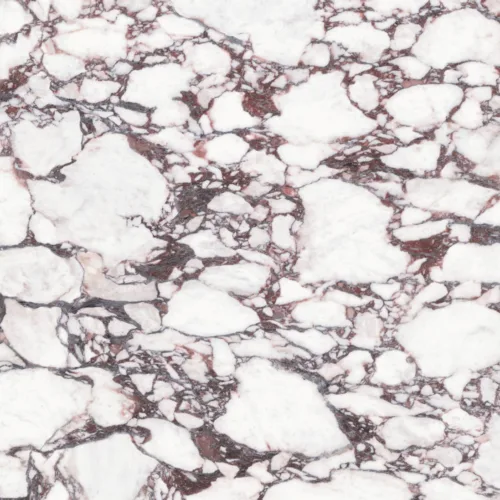
A Calacatta-style ceramic slab with violet undertones, bringing marble's elegance to kitchens and bathrooms without the upkeep of natural stone.
-
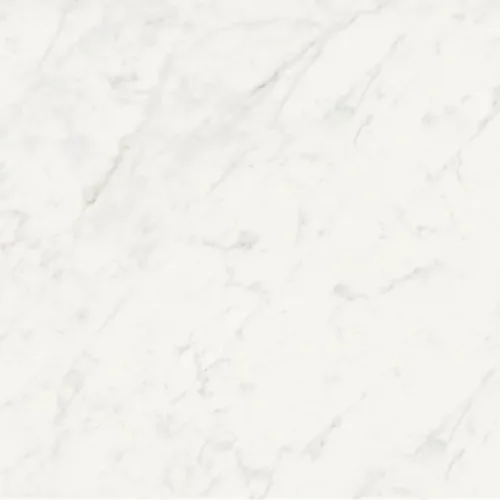
Ceramics Altissimo is a dense, scratch-resistant ceramic surface suited to busy kitchens, bathrooms and outdoor kitchens alike.
-
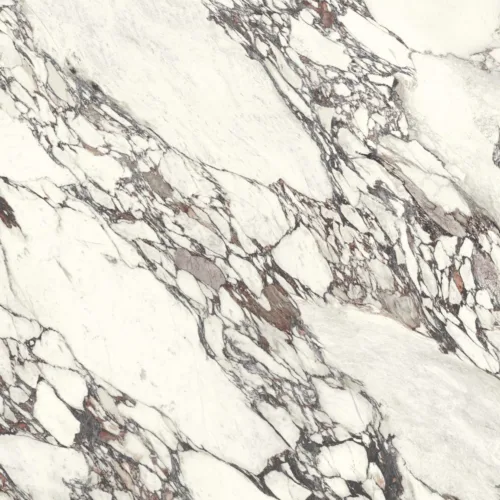
Nuovo Corso Arabescato Viola is a ceramic surface with a bold, veined pattern that brings a distinguished look to kitchens and bathrooms alike.
-
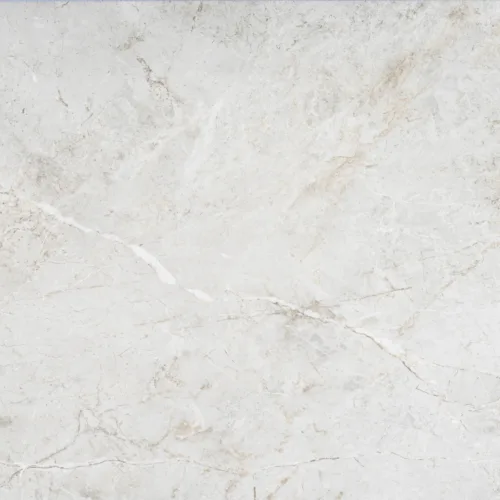
Dekton Evok is an ultra-compact ceramic surface built to resist heat, UV light and scratches, making it a reliable choice for busy kitchens and larger worktop areas.
-
Sale!
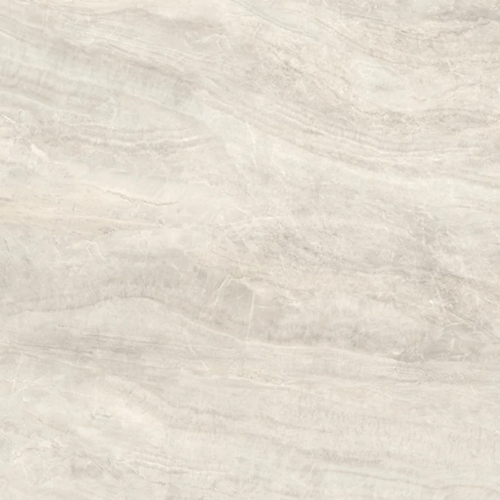
Taj Mahal is a white, polished ceramic surface with a marble-like pattern, suited to kitchen worktops and bathroom vanity tops where durability and easy care matter.
-
Sale!
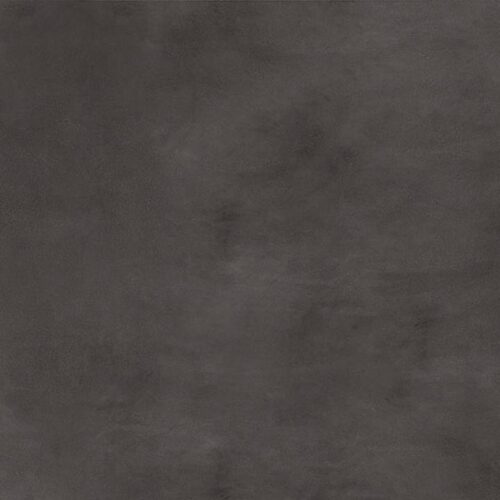
Brushed black ceramic from Laminam, made in Italy in 12 or 20 mm. A textured, low-sheen worktop that copes with heat and UV indoors and outdoors.
-
Sale!
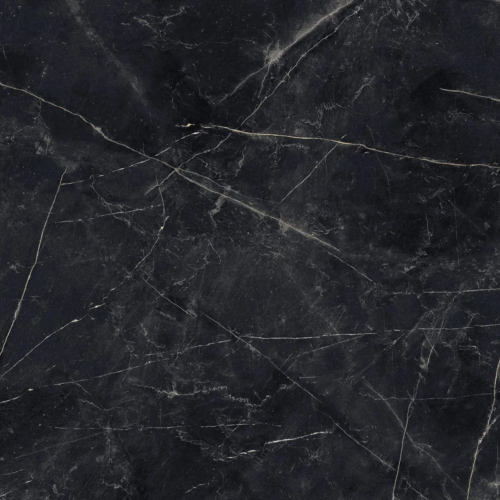
Matt white ceramic made in Italy, available in 12 or 20 mm. A low-glare, hard-wearing surface for open-plan kitchens, bathrooms and outdoor spaces.
-
Sale!
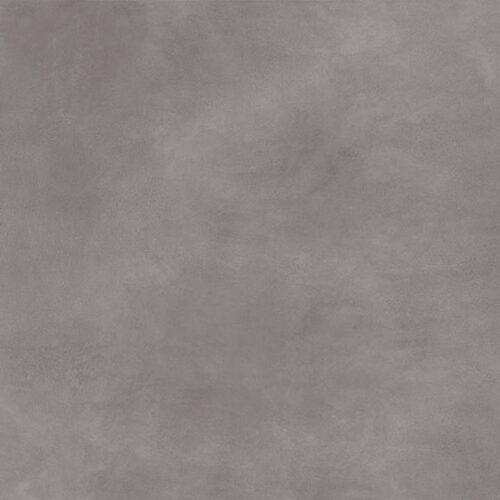
Brushed grey ceramic from Laminam, made in Italy and 12 mm thin. A tactile, low-sheen surface that handles heat and sunlight with ease.
-
Sale!

Polished white ceramic from the Laminam Collection range, made in Italy in 12 or 20 mm. A bright, hygienic surface that takes heat and needs no sealing.
-
Sale!
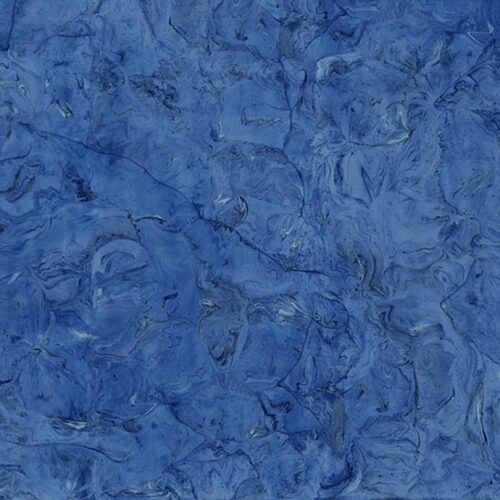
A polished blue ceramic from Laminam, made in Italy and 12 mm thin. A bold colour choice on a surface that resists heat, scratches and sunlight.
-
Sale!
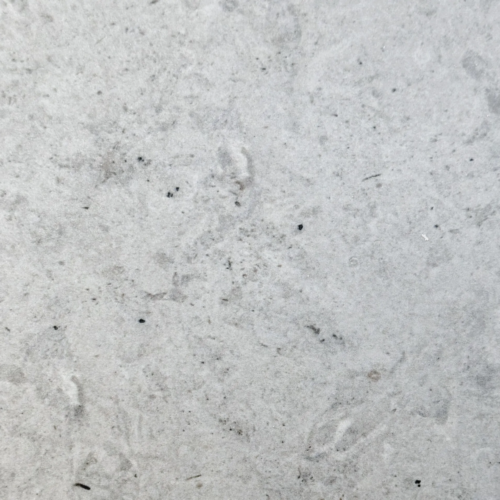
A grey ceramic that shares its name with Reval, the old name of Tallinn. Heat-, scratch- and UV-resistant, it suits city kitchens, bathrooms and balconies.
Where it goes
Four places ceramic stone works
A kitchen, a bathroom, a windowsill and a wall each ask different things of a slab. Here’s briefly what to consider for each — and at the showroom you can feel the surfaces with your own hands.
Kitchen worktop
A pan can go straight from the hob onto the slab, and tomato sauce forgotten overnight wipes off without a trace in the morning. The edge is what needs care: a heavy pot hitting a corner can chip ceramic, so we grind a slight chamfer on the edge and agree the shape of the corners on the drawing.
Splashback and wall
When the same stone goes up behind the worktop, the pattern continues from worktop to wall and there are fewer joints than on a tiled wall. Grease and steam don’t soak in, so you keep the wall behind the hob clean with the same cloth you use on the worktop.
Bathroom
Water, soap and toothpaste leave no marks on a vanity top. A matt or brushed finish works well in a bathroom, because dried water drops and limescale show less on it than on a glossy surface.
Windowsill
Sunlight doesn’t change the colour of ceramic, so a sill under a south-facing window still looks the same years later. Water from a plant pot or a cold glass won’t leave a ring on it.
Brands
Four Italian brands in one catalogue
Laminam has its own page; you’ll find the other brands’ stones in the product grid below. Cosentino’s sintered ceramic has a separate Dekton page.
Laminam
44 stones · an Italian brand: the I Naturali series has a marble look, In-Side a natural stone look and Calce a concrete look. Finishes: polished, matt or brushed.
Marazzi
Statuario, Calacatta Extra and Emperador carry the names of famous marbles, Travertino Classico that of travertine. The range also includes the concrete-like Concrete Look Crete and the limestone-look Limestone Ivory and Limestone Sand.
Nuovo Corso
Bianco Namibia, Makrana, Marmo Antico and Superwhite are listed with a polished surface, Kenya and Marfil Stone in matt. Many of them come in both 12 and 20 mm.
Atlas Plan
Calacatta Gold, Calacatta Royal and Calacatta Delicato echo the look of white Calacatta marble, and Nero Marquina that of black marble. Crystal White is a polished white surface.
Who it suits
Is ceramic your material?
Heat, sun and stains do nothing to ceramic stone; only the edge needs attention. If you’re unsure, come to the showroom and put ceramic next to quartz and natural stone.
Ceramic suits you if
- the baking tray or cast-iron pan reaches the worktop faster than the trivet does
- the worktop, splashback and windowsill should all be one material
- you never want to seal stone or scrub out stains
- the kitchen is sunny and the surface has to hold its colour for years
Skip ceramic if
- the worktop edge takes daily knocks from heavy dishes — engineered quartz copes with them better
- you want a one-of-a-kind slab made by nature — look at quartzite or granite
- you prefer a thick, rounded edge ground from a single piece
Thickness and edge
What to decide before cutting
12 or 20 mm
The ceramic stones in our catalogue are 12 or 20 mm thick, many in both versions. A thinner slab gives the kitchen a light, modern line; a thicker one looks more substantial. The product card shows which thickness your stone comes in.
Edge and pattern
On many ceramic slabs the pattern is on the surface, and the body of the slab shows in the cut edge. That’s why we choose the edge profile together with the stone: a slight chamfer keeps the edge intact, and for a more substantial look we cut the slab and an edge strip at an angle and bond them so the pattern turns over the corner.
Joints on a long worktop
A long island or L-shaped worktop doesn’t always fit on one slab, and then a joint is needed. The production drawing shows where the joint goes before anything is cut, and you can move it if you like, so it doesn’t sit right in your line of sight.
Cut-outs and support
The sink, hob and tap cut-outs are made by the CNC machine at our factory in Patika. Before production we also laser-measure the height and flatness of the cabinets, so the thin slab is evenly supported at every point.
Prices
What ceramic stone costs
Ceramic stone from
224 €/m²Starting price based on the ceramic stones in our catalogue.
Laminam from
224 €/m²Italian series from marble looks to concrete.
Dekton from
186 €/m²Cosentino’s sintered ceramic, in a separate category.
Quartz from
167 €/m²A composite for indoor kitchens, where pans go on a trivet.
The price per square metre is the price of the slab. Edge work, cut-outs, delivery and installation are added to the quote as separate lines, so the total is on paper before the factory gets to work on your slab. The prices of all work are in the price list.
How it works
How a ceramic worktop is made
Choose stone and finish
Browse the prices in the product grid and come to our Noblessner showroom to touch the samples: matt, polished and brushed ceramic each feel different under your hand.
Showroom by appointmentSend your measurements
From a drawing, photos or measurements taken by hand we prepare a quote with the stone, edges, cut-outs and labour broken down.
Quote within 24 hours on working daysLaser on site
We come out, laser-measure the room and send you the production drawings to approve.
Measurement within a weekFrom factory to kitchen
Installation 10 working days from drawing approval. The slabs are cut and finished at the Patika factory, and the same team that measured does the installation.
One team from start to finishSummary
Ceramic stone is a dense, kiln-fired slab that doesn’t absorb liquids, handles heat and sunlight and never needs sealing. The catalogue has 156 ceramic stones, mainly from the Italian brands Laminam, Marazzi, Nuovo Corso and Atlas Plan, priced from 224 €/m².
Ceramic stones with prices
Below are all 156 ceramic stones, Laminam included. Prices are per square metre; each stone’s card shows photos, thickness and finish, and you can add the stone to your quote request from there.
Frequently asked questions
How much does a ceramic worktop cost?
In our catalogue ceramic stone starts at 224 €/m², and each stone’s own price is shown on its card. The kitchen total depends on how many slabs it takes, whether you choose 12 or 20 mm, the edge detail and how many cut-outs are needed. Cutting ceramic is slower and calls for more precision than working quartz, which is why the labour has its own line in the quote. You’ll have the quote within 24 hours on working days.
Is ceramic stone suitable for bathrooms and windowsills?
Yes. Kitchens, bathrooms, windowsills and walls are all typical places for ceramic stone. In a bathroom, water, soap and cosmetics leave no marks, and on a windowsill the sun won’t bleach the colour, even under a south-facing window. If you’d like a wall in the same stone behind the worktop, say so when you ask for a quote, so we can include the wall panels in the same order.
How do I care for a ceramic worktop?
For everyday cleaning, a damp cloth and a little washing-up liquid will do; there’s no need to seal, because ceramic doesn’t let liquid in. On a matt surface, aluminium and steel pan bases sometimes leave a grey mark — it sits on the surface, not in the stone, and cleans off. Don’t scrub a glossy surface with an abrasive sponge, so the reflection stays even, and cut on a chopping board, since hard ceramic would blunt your knife.
How quickly is a ceramic worktop installed?
Measurement within a week: we laser-measure the kitchen and send you the production drawings to review. Installation 10 working days from drawing approval — in between, our own factory in Patika, near Tallinn, cuts and finishes the slabs, and the same team does the installation. 10-year warranty on the stone surface when Stoneks measures, delivers and installs. With supply only (you install it yourself), the warranty covers the material.
Ceramic or quartz — what’s the difference?
Quartz slabs are bound with resin; ceramic stone has no binder at all — the raw materials are sintered into a single mass in a kiln. That’s why ceramic takes hot pans and sunlight, while quartz needs a trivet and isn’t suitable for an outdoor kitchen. Quartz copes better with knocks to the edge, and you have more freedom in choosing its edge profile. Starting prices: ceramic stone from 224 €/m², quartz from 167 €/m².
Why Stoneks
The facts in brief
01Own factory, own installers
Factory in Patika near Tallinn: saw, edge machine, CNC and a hand-finishing room. The same team measures on site with a laser, fabricates and installs.
02Installation in 10 working days
Installation 10 working days from drawing approval. Measuring within a week, quote within 24 hours.
03Prices from
granite 152 €/m², quartz 167 €/m², Dekton 186 €/m², marble 221 €/m² — VAT included. You know the price before the stone is cut.
04Choice
484 stones in the catalogue with open €/m² prices. 100+ stones in stock, nearly 600 more within a week.
05Experience
20+ years and 13,000+ projects across the Nordics. Google rating 4.8.
06Showroom
Vesilennuki 20, Tallinn (Noblessner): samples, full-size photos and the most popular stones as full slabs, visits by appointment. A second showroom near Stockholm.
Stoneks OÜ · +372 56 920 370 · request a quote · 10-year warranty on the stone surface when Stoneks measures, delivers and installs.